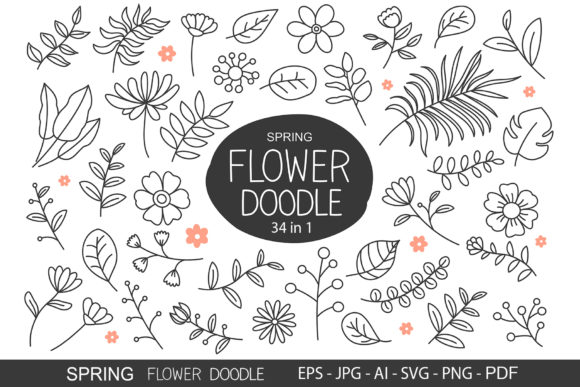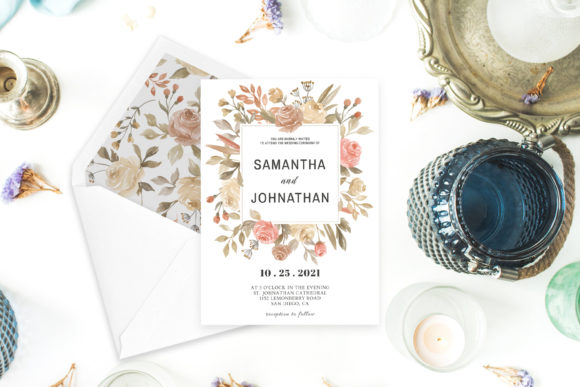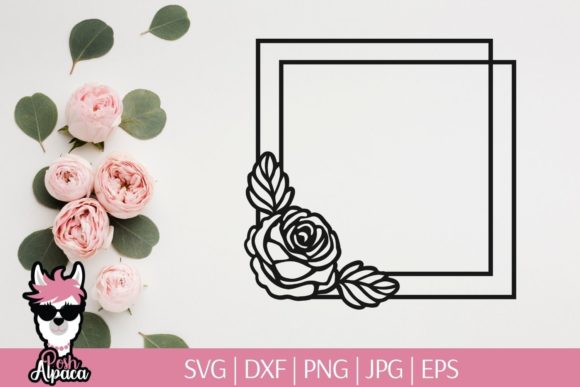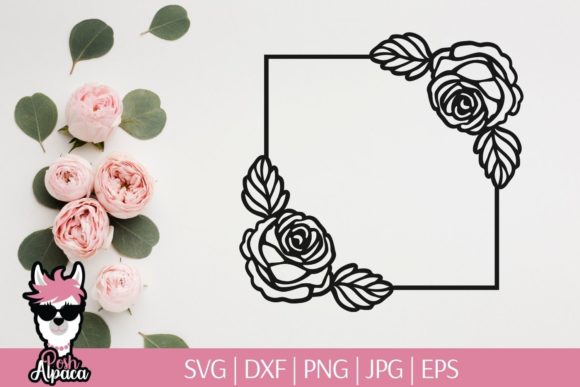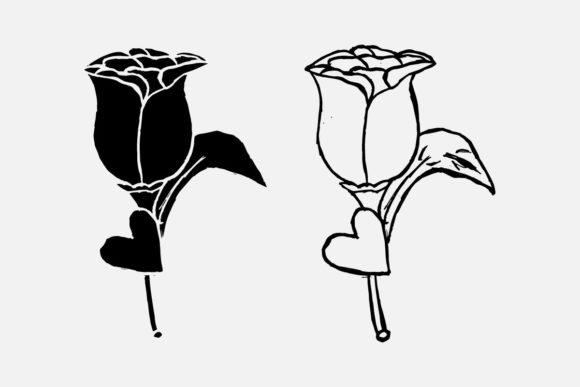
The Beauty of Hand-Drawn Rose Line Art
Imagine a design asset that combines timeless elegance with modern flexibility, ready to elevate any project from a simple sketch to a professional masterpiece. That's the unique power of rose hand-drawn line art and patterns, a versatile resource that brings organic charm and artistic flair directly into your creative workflow.
These elements are more than just decorative flourishes; they are foundational tools for visual communication. At their core, rose hand-drawn line art offers a delicate, human touch that digital precision sometimes lacks, creating an immediate connection with viewers through its implied craftsmanship and natural beauty.
Why Hand-Drawn Styles Matter in Modern Design
In a digital landscape saturated with slick, automated graphics, the authenticity of a hand-drawn aesthetic stands out. It conveys warmth, artistry, and a sense of personal care—qualities that are invaluable for brands looking to foster trust and emotional engagement. This style seamlessly bridges vintage romance and contemporary minimalism, making it incredibly adaptable.
From a practical standpoint, a well-crafted rose hand-drawn set in vector format (like AI, EPS, or SVG) is a designer's dream. It provides infinite scalability without loss of quality, ensuring your rose motif looks perfect on a business card, a website hero image, or a large-scale mural print. This scalability is crucial for maintaining brand identity consistency across every touchpoint.
Creative Applications Across Disciplines
The applications for this type of asset are virtually limitless. Their isolated silhouettes and seamless patterns integrate smoothly into diverse projects, enhancing the visual hierarchy and narrative of your design.
- Branding & Identity: A refined rose line art can become the heart of a logo or a recurring brand pattern, especially for businesses in weddings, beauty, botanical products, or luxury goods. It establishes a sophisticated and memorable visual anchor.
- Digital & Print Marketing: Use these elements in social media graphics, email campaigns, brochures, and advertisements. They add visual interest without overwhelming the core message, improving user engagement and recall.
- Web & UI Design: As background textures, illustrative icons, or decorative borders, hand-drawn florals can soften a digital interface, creating a more inviting and aesthetically pleasing user experience.
- Product & Packaging: Imagine a hand-drawn rose pattern gracing product labels, gift wrap, or textile designs. It elevates the perceived value and creates a cohesive, elegant presentation from shelf to customer's home.
Selecting and Using Rose Line Art Effectively
To harness the full potential of these assets, consider your overall design goals and audience expectations. Start by evaluating the quality of the line work itself—look for consistent stroke weight, clean paths, and a balanced composition that will work well in both large and small formats.
Integration is key. Pair your chosen rose illustration with a complementary color palette and typography that supports the desired tone. For a romantic brand, soft serif fonts and pastel colors might be perfect; for a more modern botanical brand, clean sans-serif type and monochromatic schemes could better highlight the line art's detail. Always ensure the asset supports, not dominates, your communication.
Think about adaptability. A comprehensive set that includes individual blooms, branches, and seamless patterns offers greater creative freedom. You can build entire visual systems—from primary logos to secondary patterns for website backgrounds or fabric prints—all from a single, coherent asset family.
In the end, the choice to incorporate rose hand-drawn line art is a decision to prioritize both beauty and function. It's about selecting a creative resource that provides not just a momentary graphic, but a versatile tool for building stronger brand identities, more engaging marketing materials, and ultimately, more meaningful visual connections with your audience. Thoughtful design choices, supported by quality assets, are what transform simple projects into compelling stories and memorable experiences.