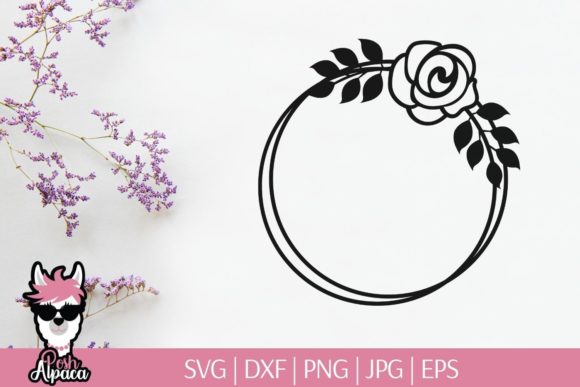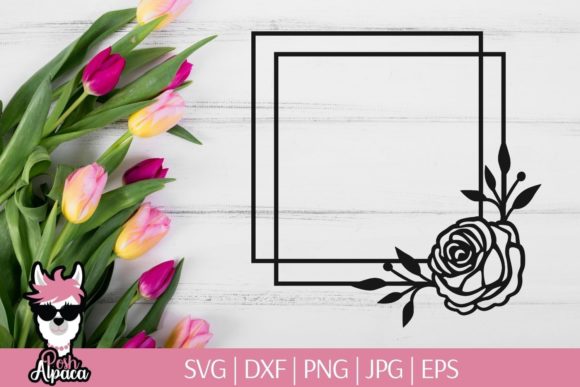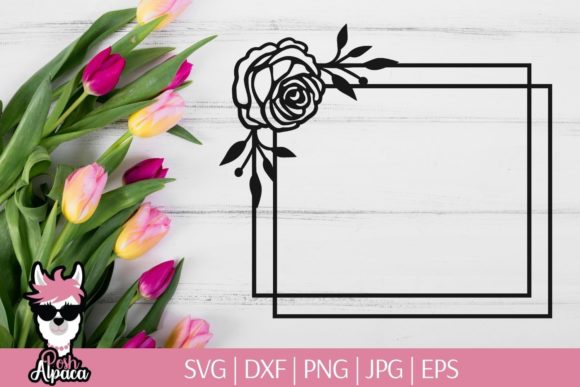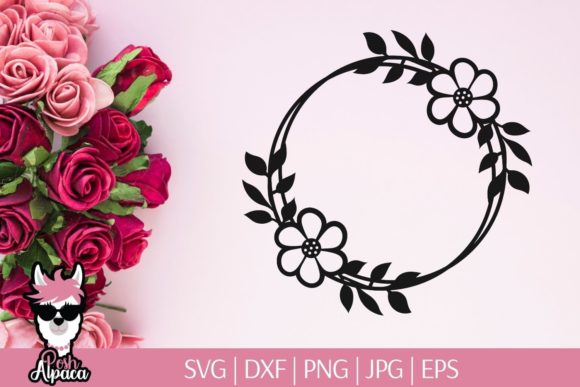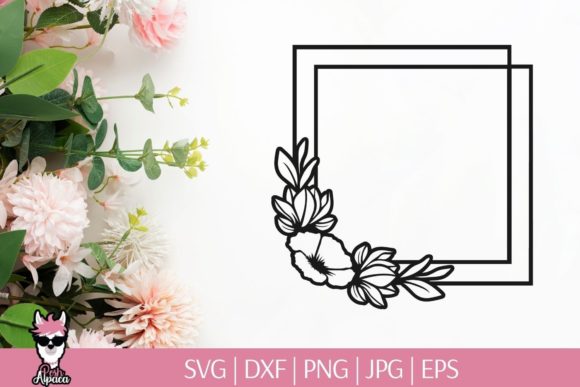
Flower Double Frame Monogram: The Digital Design File for Creative Workflows
For creators working in physical media, the bridge between a digital concept and a tangible finished product is a critical part of the process. The Flower Double Frame Monogram design exists as a specific tool within this workflow. It is not merely an image; it is a versatile digital product engineered for fabrication. This package—containing an SVG, PNG, JPG, PDF, EPS, and DXF file—serves as a master asset that can be integrated into numerous DIY project pipelines, from initial ideation to final assembly. Understanding how this asset fits into your broader creative or professional process is key to leveraging its full potential.
The Role of a Multi-Format Design Package in Project Planning
Before any physical material is cut or any adhesive is applied, the planning phase dictates a project's success. Here, the multi-format nature of the Flower Double Frame Monogram becomes a strategic resource. The different file types are not redundant; they serve distinct functions in preparation.
The PNG and JPG files are ideal for visualization and mockups. You can quickly import them into simple graphic editors to test color schemes, visualize the monogram on a digital mockup of your final product (like a tote bag or invitation card), or share concept visuals with clients or collaborators. The PDF file offers a reliable, scalable format for printing reference guides or even for using in certain software that prefers standardized page layouts. Meanwhile, the EPS and DXF files are professional formats that interface with more advanced graphic design and CAD software, allowing for precise manipulation if you need to adjust elements before moving to the cutting stage.
This preparatory use of the files helps resolve design decisions early, ensuring consistency and avoiding material waste later. It allows you to answer questions like: Does the scale work on my chosen surface? Do the floral elements complement my other project materials? By integrating these digital files into your planning software, you create a smoother transition to execution.
Core Execution: Integrating the SVG File with Cutting Machinery
The heart of the practical workflow is the SVG file. Scalable Vector Graphics are the standard for most modern cutting machines—like those from Cricut or Silhouette. This file format contains mathematical paths, not pixels, meaning it can be resized infinitely without losing quality, and the machine's software can interpret each line and curve as a precise cut path.
The crucial step here is compatibility verification. As noted, you must ensure your cutting machine software is compatible with SVG files. Most are, but a quick check of your software’s documentation or import function avoids a frustrating bottleneck at the moment of execution. Once confirmed, importing the Flower Double Frame Monogram SVG is typically straightforward. Within your machine’s software, this is where the real interaction happens. You can ungroup elements, assign different cut lines (perhaps making the inner frame a scoring line instead of a cut), or duplicate the design for a multi-item production run.
This phase integrates the digital asset with your hardware, material selection, and machine settings. Your observation of material behavior—how intricate floral details cut on vinyl versus cardstock—informs your setup. The clean, layered nature of a well-made SVG directly impacts quality control, yielding crisp edges that are essential for a professional-looking final product.
Workflow Examples and Application Contexts
The utility of this design extends across diverse project contexts. Consider a small business owner producing personalized wedding stationery. They might use the JPG in a desktop publishing layout to create a full invitation mockup for the client, then use the SVG to cut the monogram from delicate paper for the final invitations, and later employ the PNG to create a matching digital graphic for the wedding website. The same core asset fuels different stages of a single client project.
For a hobbyist creating home decor, the process might be more linear. They could use the SVG to cut the design from wood veneer for a framed piece, then use the PDF as a guide for hand-painting details. The multiple file formats offer flexibility to pivot techniques without searching for a new design asset.
In an educational setting, a teacher might use the DXF file with a classroom laser cutter to create science fair award plaques, embedding the monogram with student names. The different formats allow the asset to be compatible with various equipment accessible in different environments.
Post-Production and Long-Term Asset Management
After a project is completed, the Flower Double Frame Monogram package’s value persists. Efficient creators manage their digital assets for long-term use. Organizing these files within a clear library—perhaps categorized by theme (floral, geometric) or project type (stationery, decor)—means this design can be rapidly deployed for future work. Naming the files clearly and storing them with any notes on optimal material settings (e.g., "cuts best on 65lb cardstock with a standard blade") turns a single purchase into a reusable component of your creative toolkit.
This approach to organization supports efficiency. When a new similar project arises, you bypass the search for a new design and instead retrieve a known, tested asset. The consistency it provides across projects—for an entrepreneur building a branded product line, for instance—can strengthen visual identity. Using the same floral frame monogram style on different items creates a cohesive family of products.
Practical Implementation Tips for Smooth Integration
- Test First: Always run a small test cut on a scrap piece of your intended material using the SVG file. This verifies cut integrity and fine-tunes pressure or speed settings, saving your primary material.
- Software Stack Awareness: Know which software you use for each phase. You might use Adobe Illustrator for prep (EPS), your cutting machine’s software for execution (SVG), and Canva for social media marketing of the finished product (PNG). Having the right format for each tool streamlines the flow.
- Layer Utilization: Explore the layered structure of the SVG in your cutting software. The double frame and floral elements might be separated, allowing you to cut them from different colored materials or apply them as separate layers in a decal, adding depth to your final piece.
- Scale Decisions Early: Determine your final physical size during the digital planning phase. Scaling the vector design before importing to cutting software is easier than trying to adjust it on the machine’s canvas, where layout constraints might exist.
Interplay with Other Tools and Resources
The Flower Double Frame Monogram does not operate in isolation. Its effectiveness is amplified by its interaction with other components of your workflow. It pairs with your cutting machine and its software, as discussed. It also interacts with your material inventory—the design’s intricacy might demand a higher-quality vinyl that weaves cleanly. Furthermore, it connects with design resources like color palette generators or font libraries when you are adding complementary text to the monogram.
In a broader business workflow, this digital product becomes an asset alongside your photography equipment (for product shots), your e-commerce platform (for listing the finished items), and your packaging supplies. It is a node in a network of tools. For marketers or bloggers, the PNG file might be integrated directly into blog graphics or social media templates announcing a DIY tutorial, bridging content creation with physical product promotion.
This interconnectedness underscores the importance of viewing such digital designs not as static downloads, but as active, flexible files that move through your process, from digital screens to physical objects and back into digital promotion. The Flower Double Frame Monogram, when understood and integrated with this mindset, becomes more than a decoration; it becomes a reliable, repeatable component for making ideas tangible.