Creating a Floral Wedding Invitation: Design, Customization, and Integration
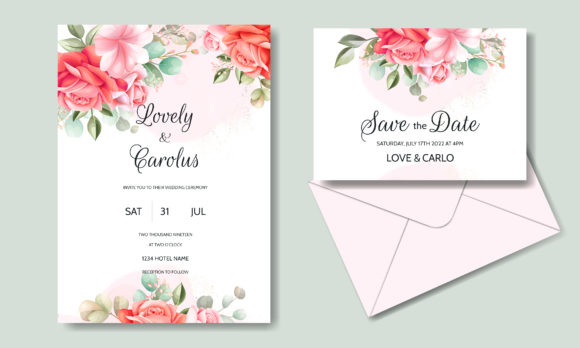
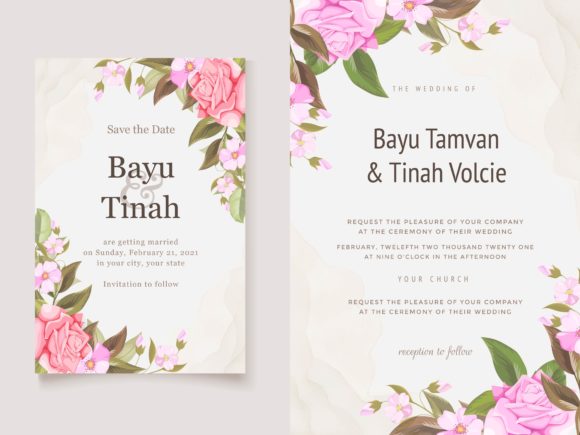
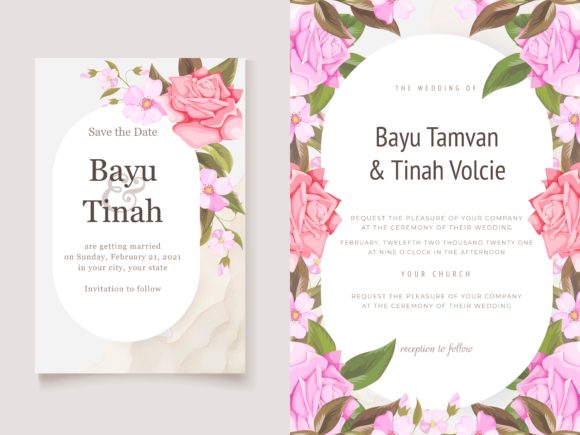
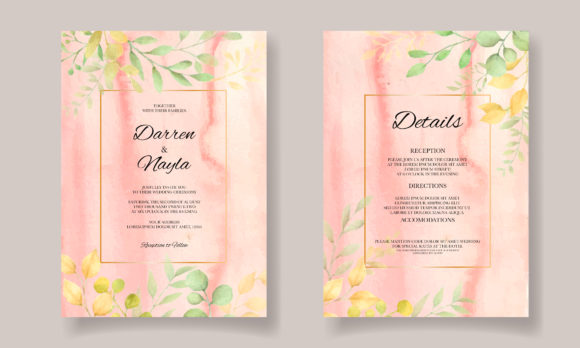
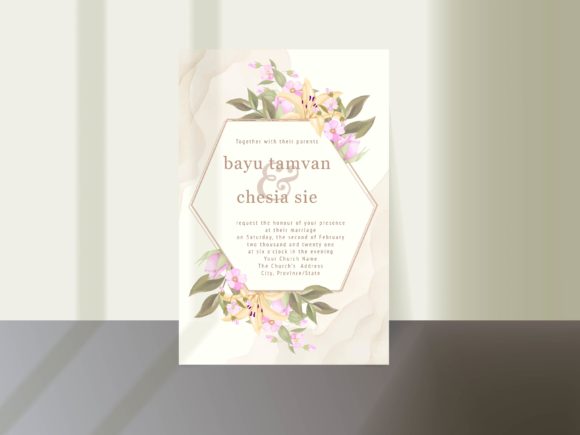
The process of planning a wedding involves countless decisions, from selecting a venue to curating a guest list. Among these, the wedding invitation holds a special place. It is the first formal announcement of your celebration, setting the tone and aesthetic for the entire event. For those seeking elegance, personalization, and efficiency, a Flora Invitation Card for Wedding Design offers a sophisticated solution. This type of template, typically built around beautiful floral vectors featuring roses and leaves, is not merely a static image; it is an editable framework designed to be integrated seamlessly into your wedding planning workflow.
Understanding the Role of a Floral Invitation Template
A Flora Invitation Card for Wedding Design is more than just a pretty picture. It is a foundational design asset. In a broader wedding planning process, it fits into the early stages of visual branding and communication. After establishing a core theme or color palette for your wedding, the invitation becomes a key component that communicates this vision to your guests. This template acts as a bridge between your initial inspiration and a tangible, distributable product.
Using a pre-designed floral template eliminates the need to start from a blank canvas, which can be daunting even for creatively minded individuals. It provides a professional baseline of elegance—often achieved through intricate rose motifs, leafy accents, and balanced layout—that you can then adapt. This is crucial for maintaining a high level of design consistency without requiring advanced graphic design skills. The template interacts directly with your personal data: names, dates, venues, and other logistical details. It also interacts with your chosen method of production, whether that's digital distribution via email or PDF, or professional printing for physical cards.
The Practical Workflow of Personalization
The core advantage of an editable Flora Invitation Card is its ease of customization. This is where the template integrates into your hands-on planning execution.
Preparation and Asset Gathering
Before you begin editing, gather all necessary information. This includes the final wedding date, time, venue address, RSVP details, and any additional text like a personal note or website URL. Having this data organized in a document streamlines the input process. Check the compatibility of the template file. Most are provided in common editable formats like .AI, .PSD, or perhaps a user-friendly online editor format, ensuring you can open it with software you already have or a readily accessible tool.
The Editing Process
Open the template in your chosen application. The floral vector design—the roses and leaves—is usually locked as a beautiful, non-editable background layer or element, preserving the design integrity. Your focus will be on the text layers. Here, you replace placeholder text with your specific details. Practical tips for this stage include:
- Font Consistency: While you can often change font styles, try to use ones that complement the elegant floral design. Script fonts often work well with roses, but ensure readability is paramount.
- Color Matching: Adjust text colors to align with your wedding palette. You might change a standard black text to a deep burgundy or soft green that echoes the colors in the floral vectors.
- Layout Proofing: After inputting all text, review the entire card. Check for alignment, ensure no text overlaps critical floral elements, and confirm all information is accurate. This is your quality control step.
This process demonstrates how the template serves as an organizational tool. It structures your information within a predefined elegant layout, ensuring efficiency and a consistent output quality that might be difficult to achieve if designing completely independently.
Integration with Overall Wedding Planning
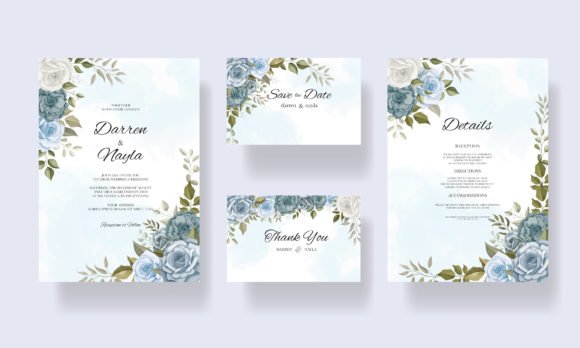
The invitation card does not exist in isolation. Its design and distribution affect subsequent steps. Once finalized, your Flora Invitation Card for Wedding Design becomes the visual benchmark. You might extend its floral motif and color scheme to other items, creating a cohesive suite: save-the-date cards, programs, menus, and thank-you notes. This creates a unified brand for your wedding, enhancing the guest experience and simplifying your design decisions for these ancillary projects.
Furthermore, the finalized design interacts with your vendor decisions. You send the file to a printer, or use it for digital communications. Having a professionally designed base template often leads to better print results, as the layout and graphics are already optimized for high-resolution output. For the digitally-minded, the same file can be easily adapted for a wedding website banner or a social media announcement, maintaining aesthetic consistency across platforms.
Long-Term Use and Adaptability
A significant benefit of a well-made editable template is its potential for long-term value. After the wedding, the floral design can be repurposed. You might adapt the layout slightly to create anniversary celebration cards or personal stationery, keeping the elegant floral theme alive. This makes the asset not just a one-time purchase but a reusable component in your personal or even professional life, especially for bloggers, small business owners, or creators who appreciate aesthetic design elements.
When You Need Further Assistance
The description "very easy to personalize by yourself" holds true for most common adjustments. However, some projects may require specialized changes—perhaps integrating a specific monogram, altering the floral vector colors themselves, or adapting the layout for a unique format. In such cases, reaching out for help is a natural part of the workflow. As the prompt suggests, contacting the designer via their social media account is a practical step. This interaction allows for tailored support, ensuring your final invitation perfectly matches your vision without you needing to master complex graphic software. It turns the template from a purely DIY product into a collaborative tool, with expert backing available when needed.
Implementing Smoothly Into Your Routine
To integrate the use of a Flora Wedding Invitation Template smoothly, treat it as a scheduled task within your planning calendar. Block out a focused hour or two for the information gathering and editing phase. Have your software ready and your text finalized. By approaching it as a discrete, manageable task, you avoid last-minute stress and can enjoy the creative process of seeing your details framed by beautiful roses and leaves. This practical, process-oriented approach turns invitation design from a potential hurdle into an efficient and even enjoyable milestone in your wedding planning journey.
In conclusion, a floral invitation template is a strategic choice. It provides elegance through its designed floral vectors, offers efficiency through its editable nature, and enables consistency across your wedding communications. By understanding its role, following a straightforward personalization workflow, and knowing how to integrate it with other planning elements and seek help if necessary, you can execute this task effectively, resulting in a beautiful invitation that proudly announces the beginning of your celebration.